
Homemade Yogurt
Homemade Yogurt
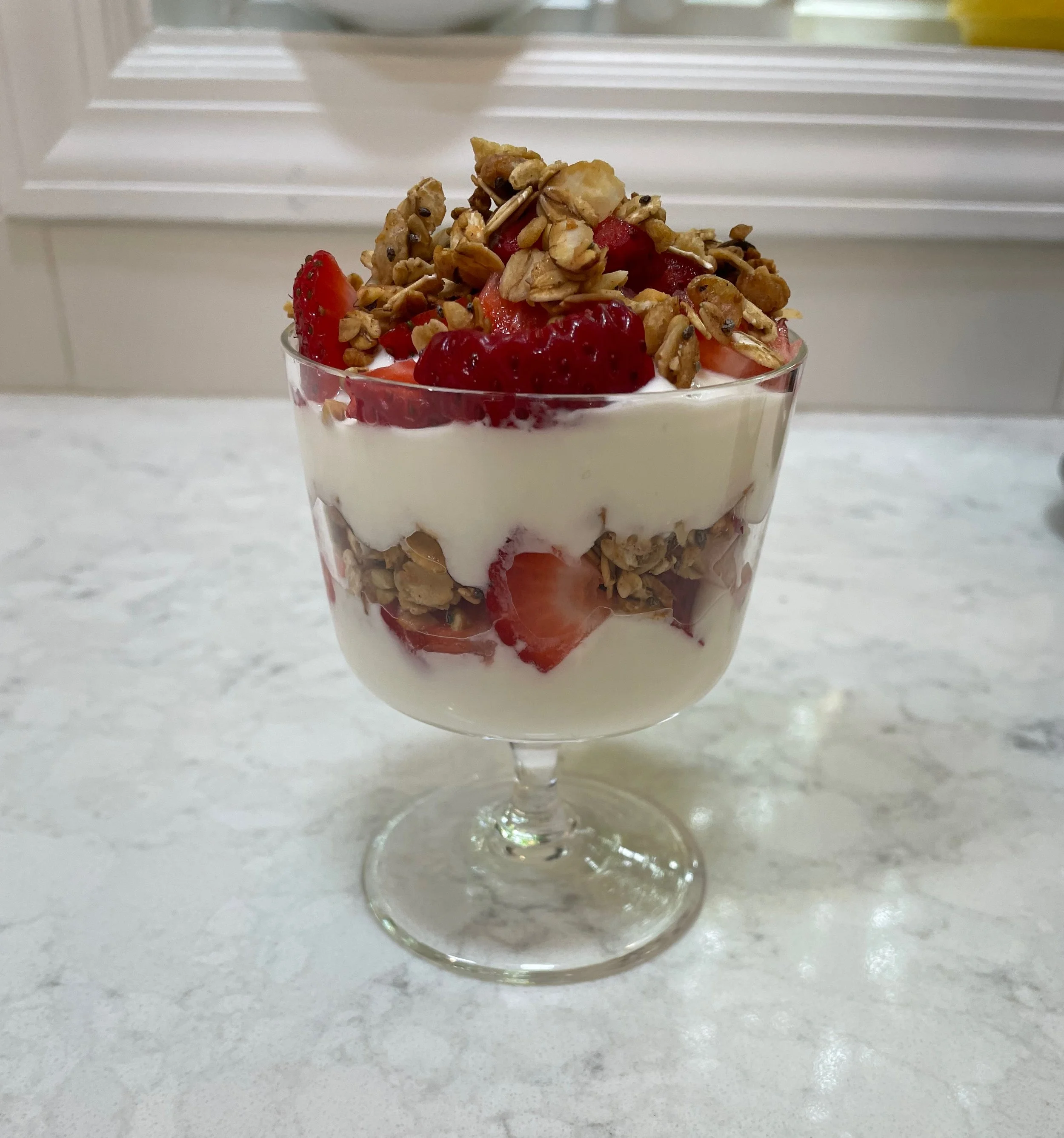
The process of making yogurt is as easy as scrambling an egg. It’s getting the temperature right that can cause problems. This is where thermometers, both an oven and instant read, come in handy. Make sure your instant read thermometer is accurately calibrated before starting.
To make yogurt, the milk is first boiled, then cooled until warm to touch. The starter yogurt, which can be any store bought plain yogurt with live cultures, is then added. The yogurt starter must be fresh or the yogurt may not set. After the starter is added, the milk mixture needs to sit in a warm place, undisturbed for several hours. An oven turned off with a pilot light is a good place or in a cabinet of a warm kitchen. The higher the temperature, the faster it will set. If the temperature is too hot when the cultures are added or when setting, the bacteria will die. If the temperature is too low, they will never activate. Finding this balance is the trickiest part to yogurt making.
Ingredients:
4 cups whole or low-fat (2%) milk
2 tablespoons plain yogurt with live cultures
Steps:
1. In a heavy medium saucepan over medium-high heat, bring the milk to a boil. Remove from the heat and let the milk cool to 110 to 115 degrees on an instant read thermometer. Transfer the milk to a ceramic container or Pyrex pan.
2. Place the yogurt in a cup. Add 2 to 3 tablespoons of the warmed milk and stir to mix. Pour the yogurt mixture into the milk and stir to mix. Cover the container with a towel or a dinner plate. Do not use an airtight cover, as the bacteria need to breath. Set in a warm place (70 to 100 degrees), until the yogurt has set and the texture resembles flan or cheesecake, anywhere from 6 to 12 hours depending on the temperature and the quality of the starter. Transfer to the refrigerator, cover tightly and use within 4 days. Makes 1 quart. Adapted from “The Dance of Spices” by Laxmi Hiremath.